

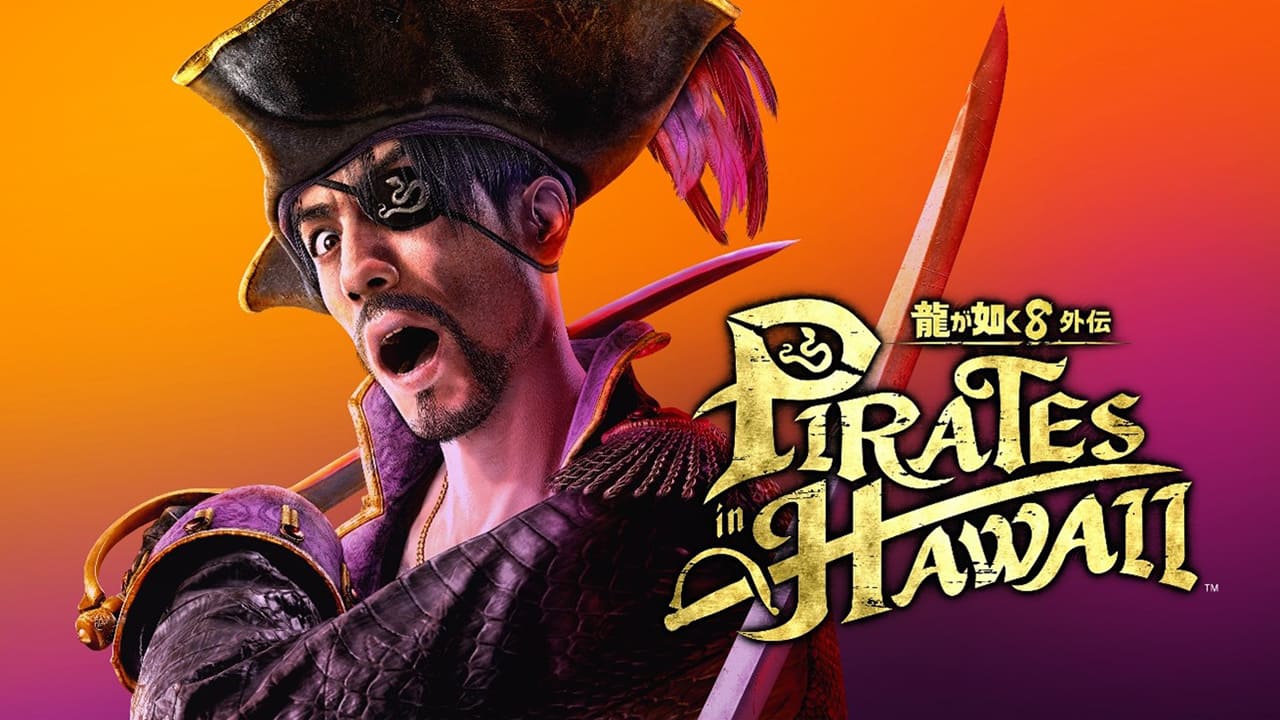
Looking for a comprehensive Like A Dragon: Pirate Yakuza In Hawaii Review? We’ve got you covered! The sun-soaked beaches of America beckon, the Salty Sea thrashes the coastline, and a Made Man in the criminal underworld’s once-great Tojo Clan helms the vessel in search of plunder. Here is our Like A Dragon: Pirate Yakuza In Hawaii Review.
Developed and published by Ryu Ga Gotoku, Majima has been a long-standing protagonist in the Yakuza franchise from its inception in 2005 and has been featured in almost every single iteration. Out of all the characters within the Like A Dragon Universe, Goro Majima is the one who I wanted to see get a full title and experience the thrill of playing as the man once called The Mad Dog Of Shimino.
STORY
Wait, did they say Board Us!?
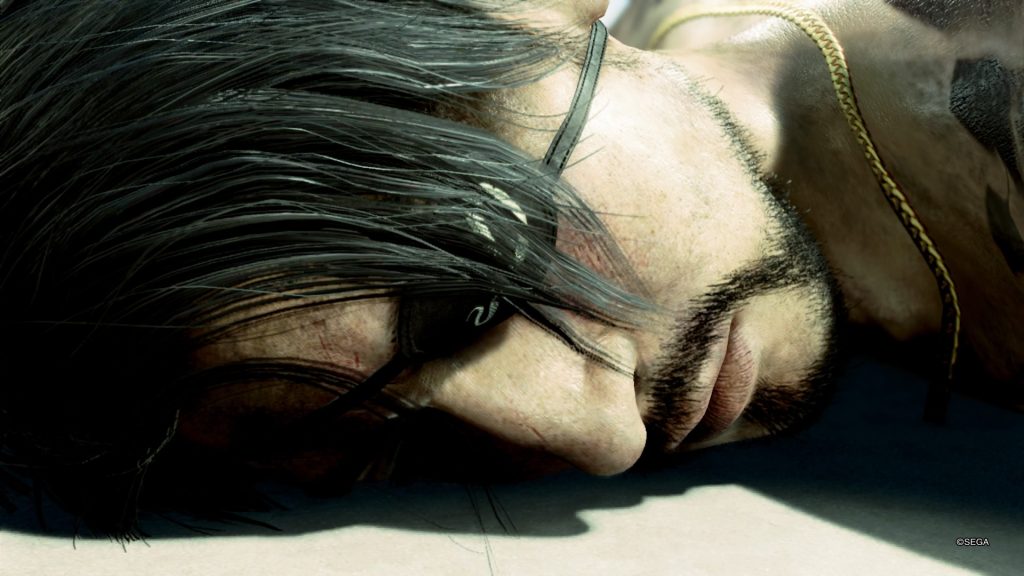
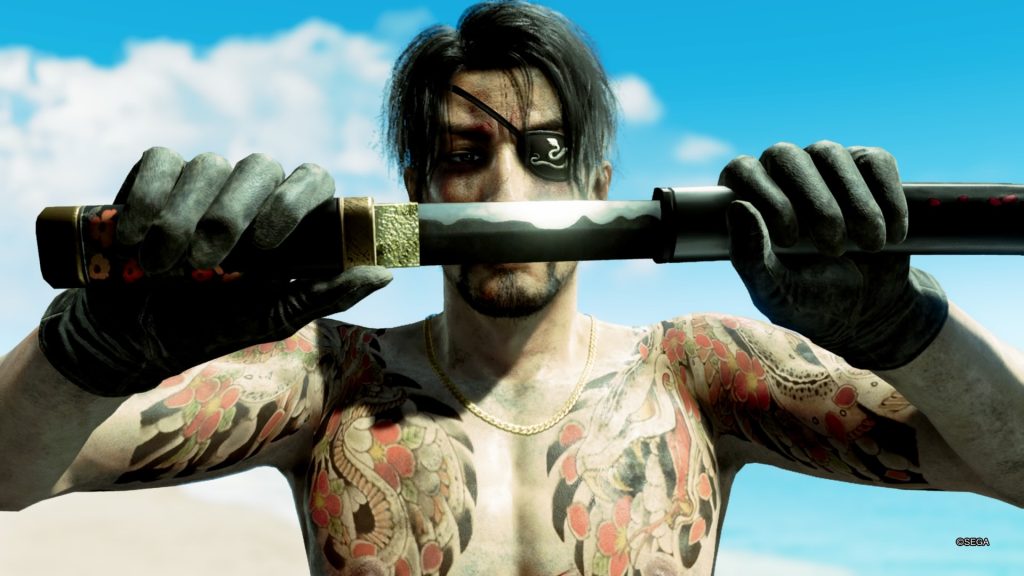
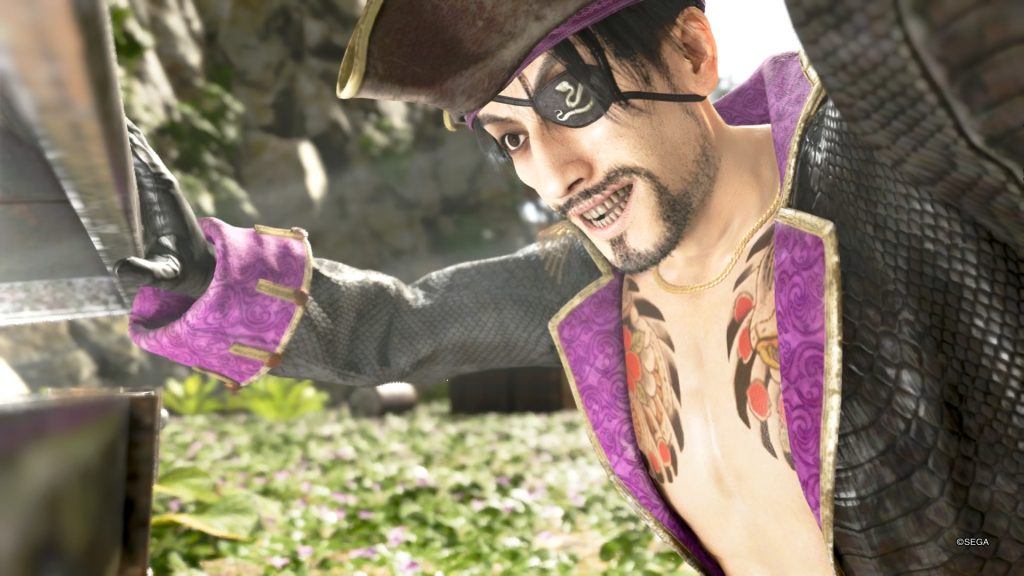
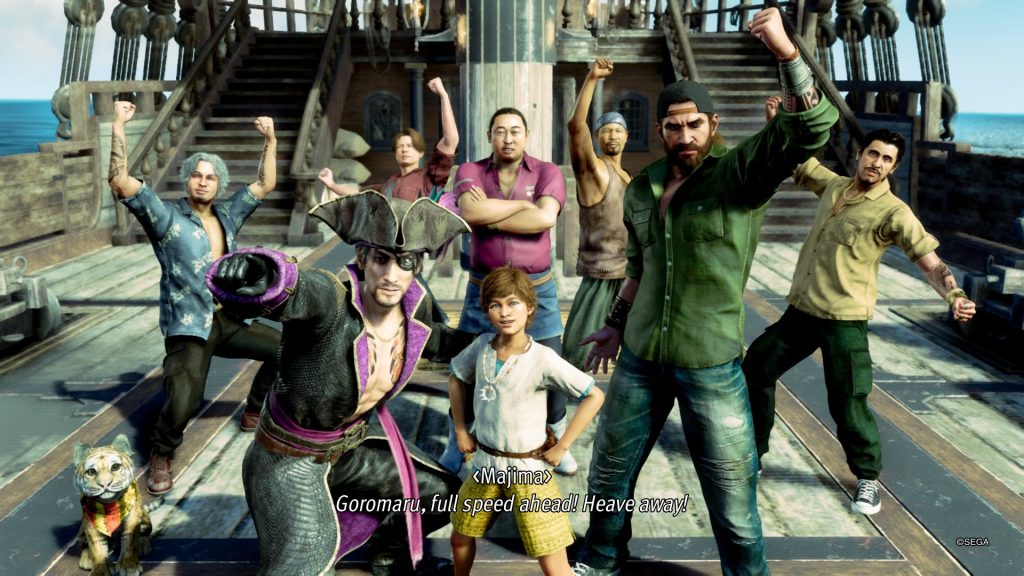
Pirate Yakuza In Hawaii is set in August 2024, with events being told to the player from 6 months ahead, presumably when Majima has recovered his memories and knows exactly who he is; however, with him still being in his Pirate Captain outfit, it’s pretty hard to tell. Let’s face it: This is Majima we are talking about. The exposition is told through these future events, and Majima is almost filming his life story, which is rather incredibly funny.
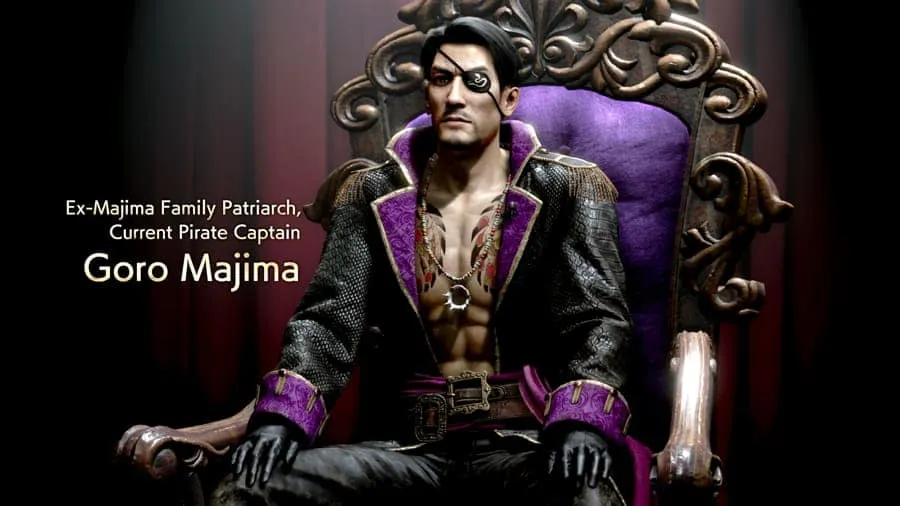
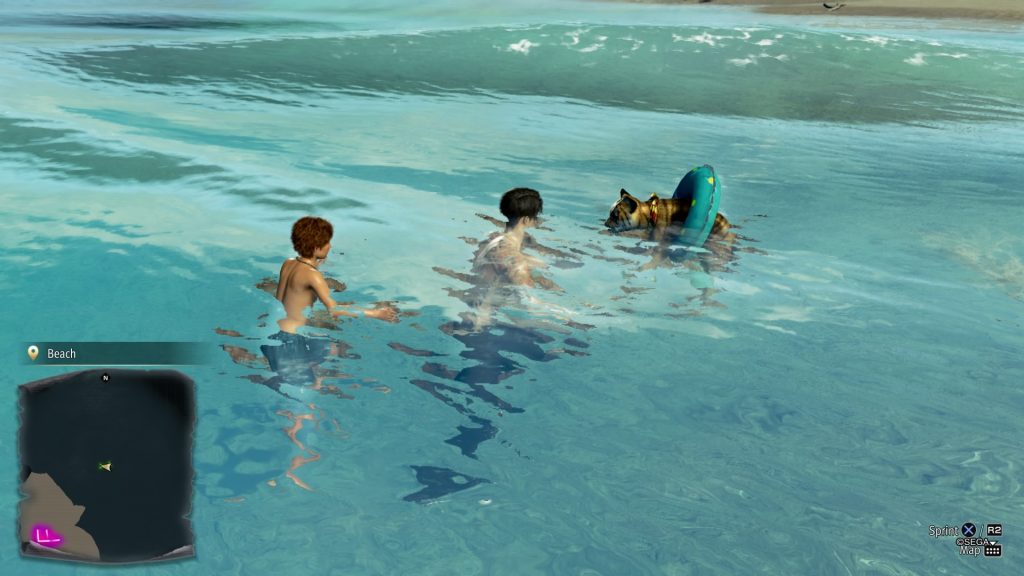
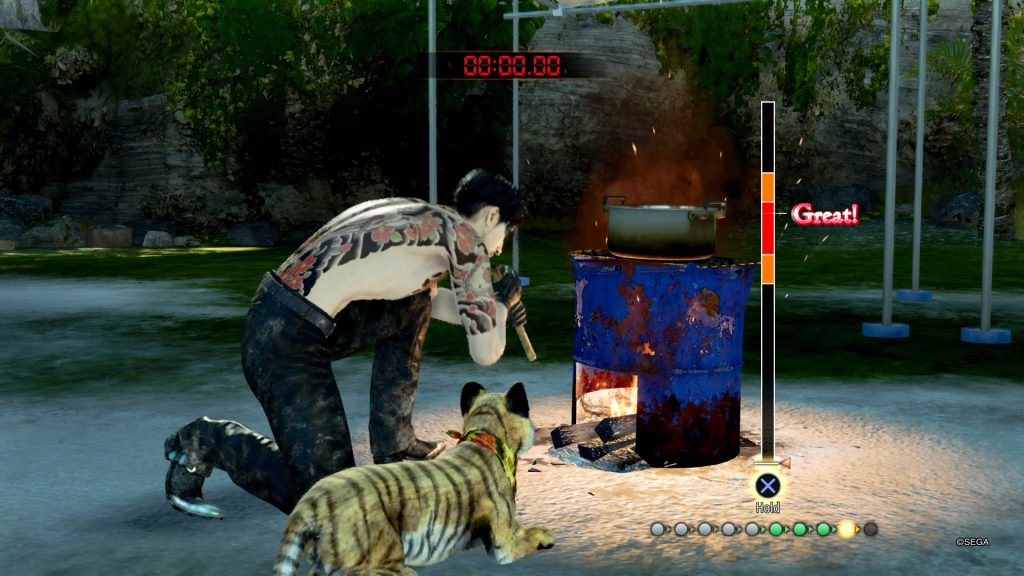
The gameplay picks up on the beach of Rich Island, where a 10-year-old boy and his pet “cat” save a shipwrecked monster in the sand. All this shortly before being introduced/reintroduced to the man who was once called the Mad Dog of Shimano. Although without his memory, he is still a formidable adversary for even pirates to battle.
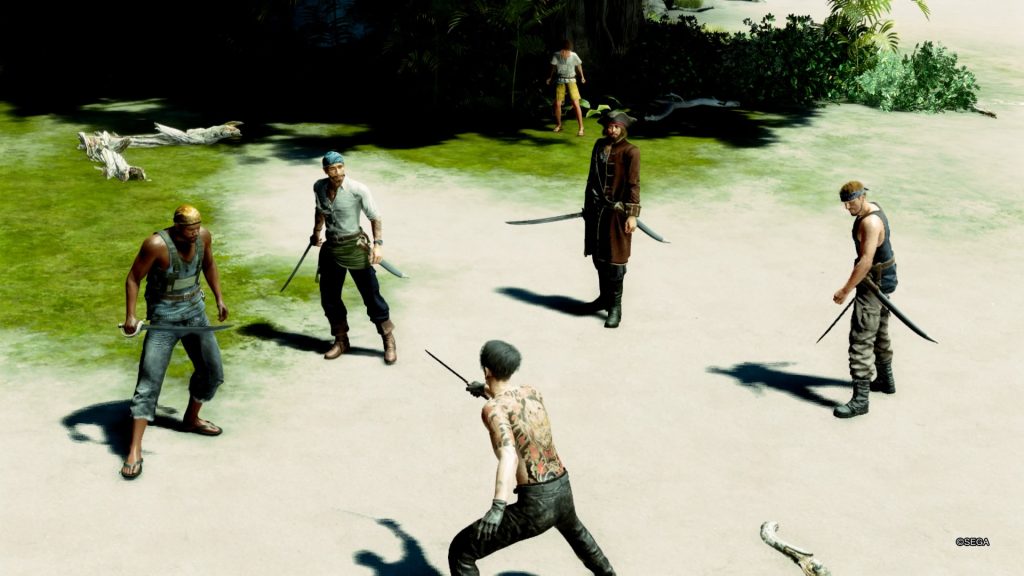
The entirety of the first chapter is just about “breaking the chains that bind us” Beyond that, it’s better to experience what we are referring to. That being said, it’s very limiting to have only a small island to run around and very few enemies to confront. Most of the other instalments of the franchise give you a vast urban setting where your character, mostly Kiryu Kazuma, can experience numerous encounters and items. Majima’s story feels really limiting in comparison to how it begins. Chapter 2 is where the game really opens up and the naval battle gets underway. I loved Assassin’s Creed Black Flag, but it had its day. While Pirate Yakuza doesn’t exactly scratch the itch for piratic antics on the high seas, it does have some interesting features which Black Flag could have made use of. (Please note I don’t plan on addressing the other Pirate Games… Sea of Thieves or Skull and Bones, for example, because, well, it’s best to keep with a similar feel. Black Flag, being a Solo story, meets with Yakuza’s Solo campaign and that is why I have picked it.) The story continues following Majima to his goal along the way getting sidetracked by all sorts of typical Yakuza ventures, even to the point where you get to run around Hawaii and participate in the daring naval combat in a coliseum for sport.
Mechanics, Graphics, & Technical things
Mechanically, the game plays far differently than any other game within the Yakuza/ Like A Dragon umbrella, save maybe Ishin, but that’s for another time. Exploration and Combat change marginally little from Yakuza to Yakuza game. You walk around an environment, get into conflict, visit shops and explore what the world has to offer, normally Kamurocho. As for combat, in recent years, we have had a switch over to the Like A Dragon-type combatant scenarios where Ichiban is the lead and battle is commenced in a turn-based fashion. For Pirate Yakuza, however, we get to return to the bloody and brutal combat Yakuza was conceptualised as, the same as Like A Dragon: The Man Who Erased His Name.
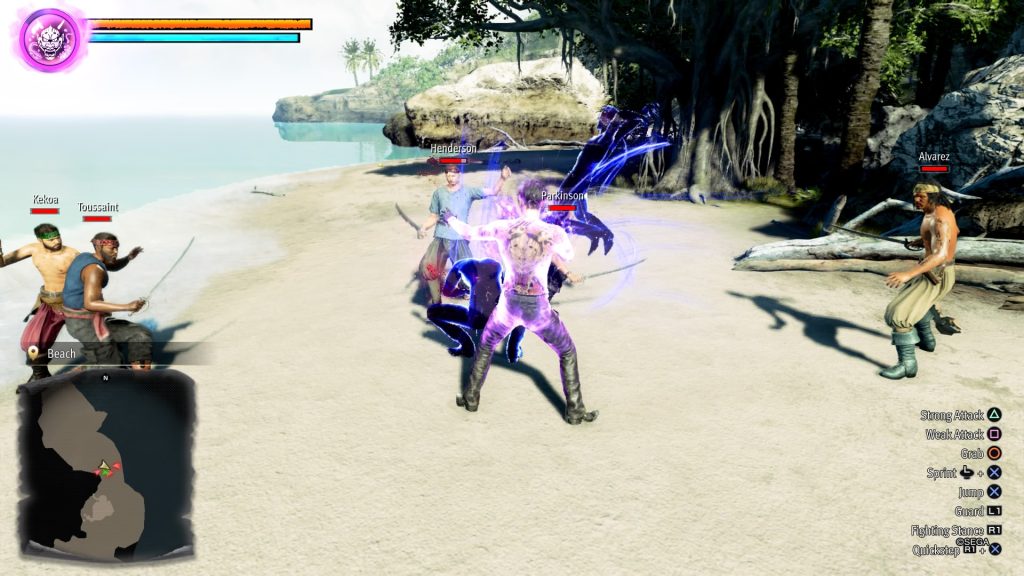
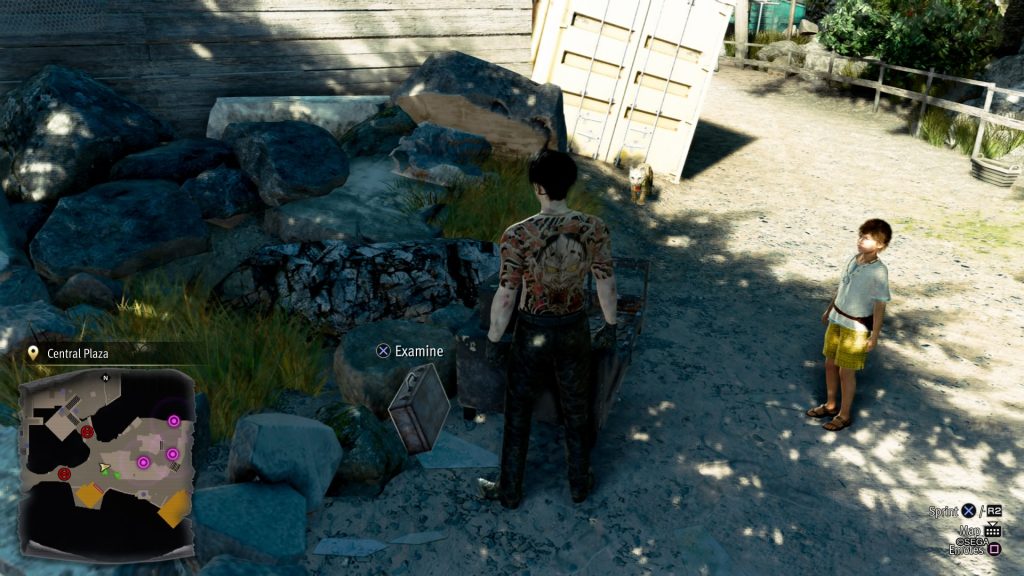
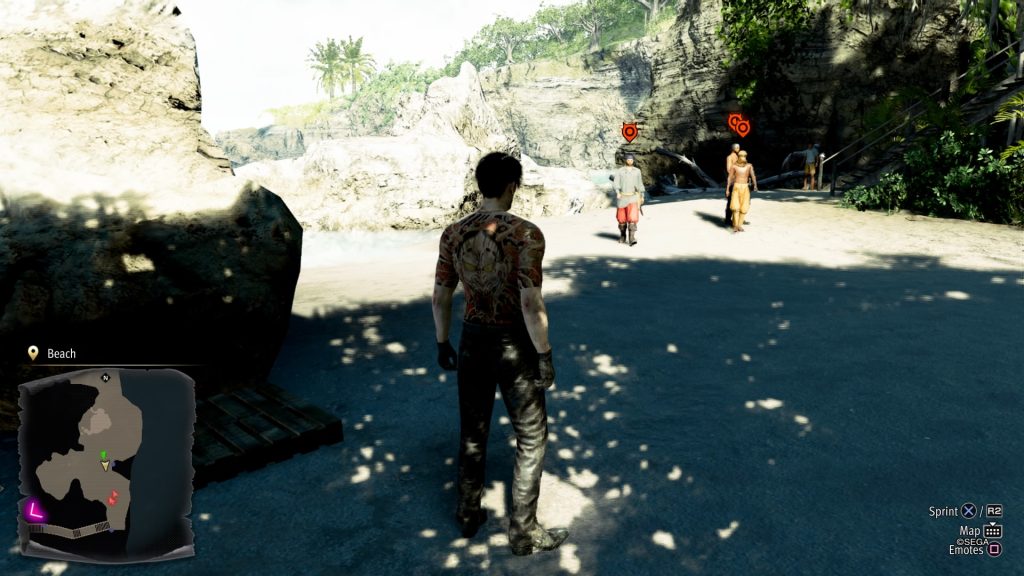
Honestly, that isn’t what we want to focus on, and if you have ever played a “true” Yakuza game before (sorry, but we are discounting Like A Dragon and Like A Dragon Infinite Wealth) you will know that the games play out the same only the story returns as a change. Pirate Yakuza, however, demolishes this by setting Majima’s adventure on the high seas and making him a modern-day pirate. Let’s face it: Majima was born for this role more than being a Yakuza.
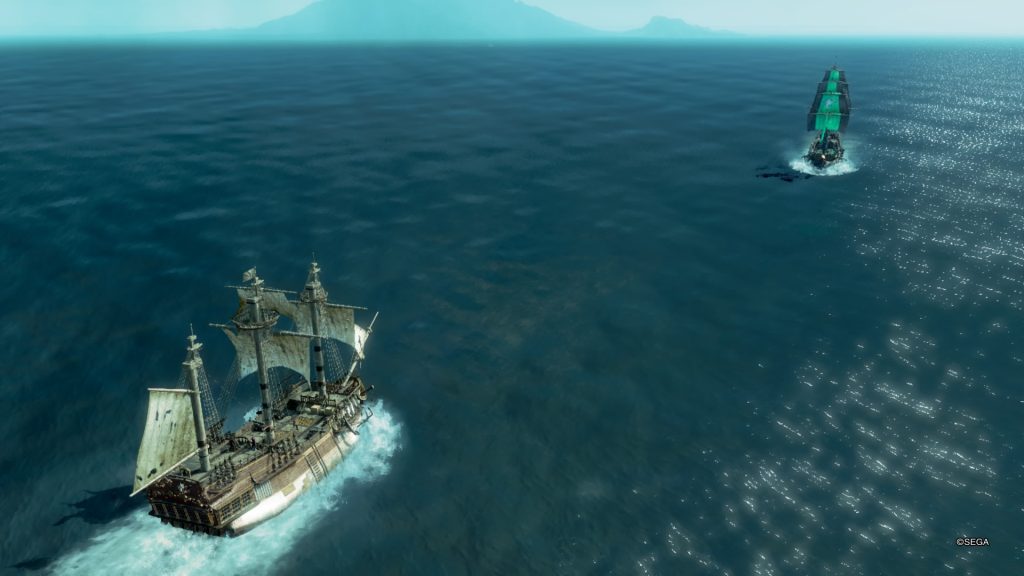
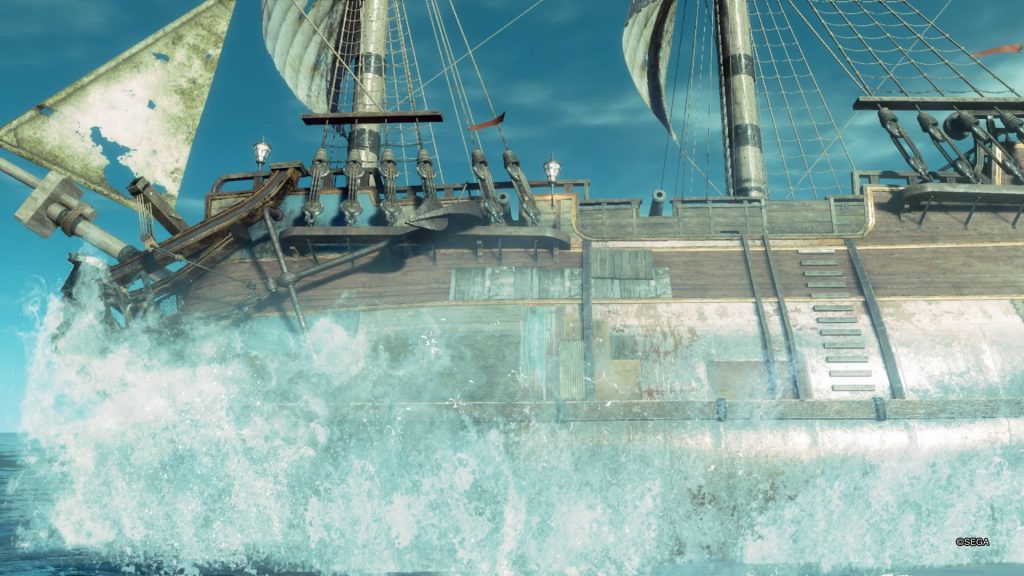
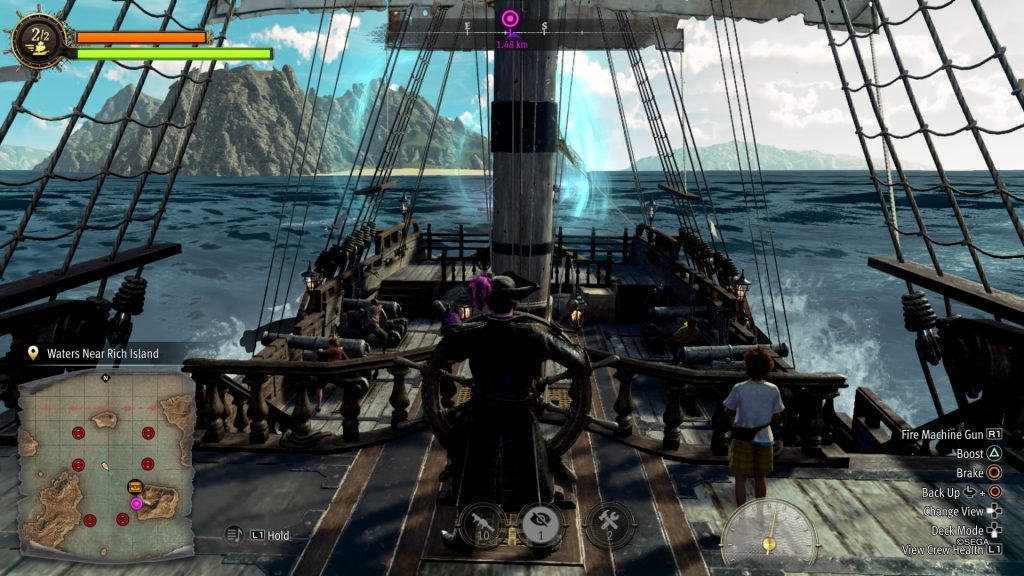
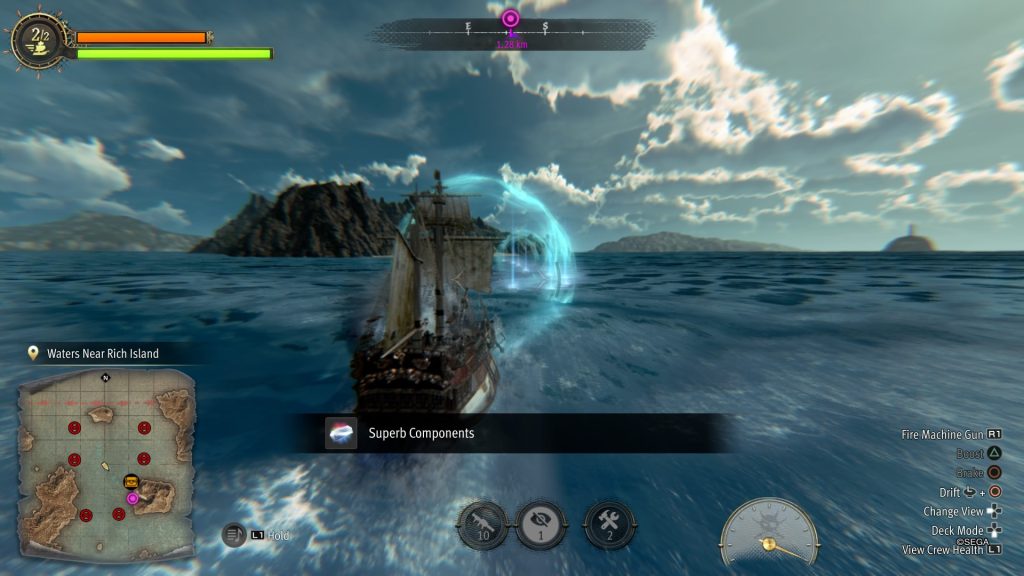
The Naval aspects of the game are really what would have drawn me to the game if it wasn’t a Yakuza. While it is no Black Flag, there are several aspects which are incredible, and Black Flag could have benefitted from them. Such as changing the views while sailing and being able to leave the helm while in combat to heal crew members. Although it is a pain when a crew member is downed, your combat power and ability are reduced.
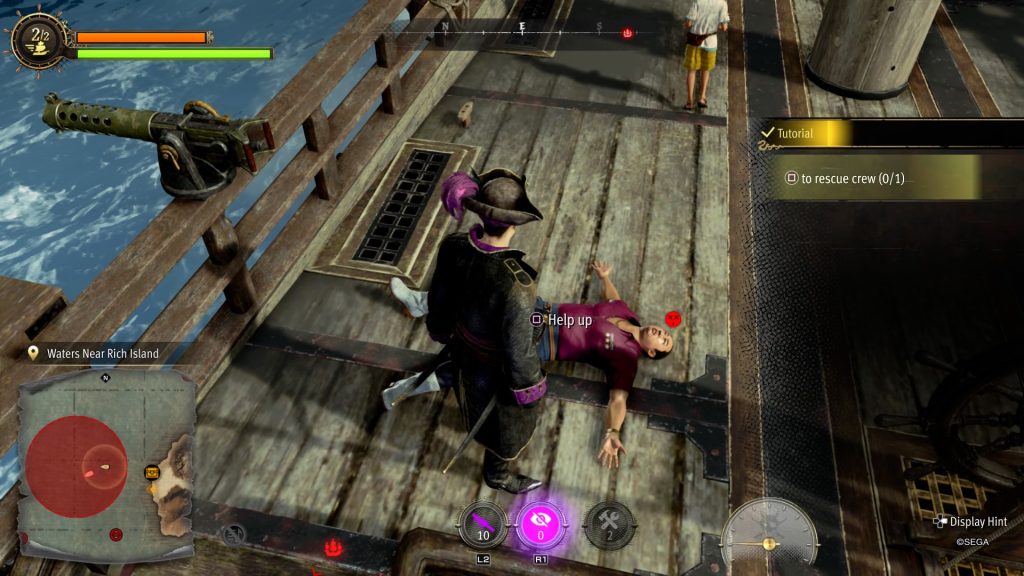
While these mechanics make the game unique and fun and make you want to play more, the naval parts of the game are only the icing on the cake, at least for experienced Yakuza gamers. The story is what always drives a Yakuza Game, and with its deep expositional explanations and “down the rabbit hole” approach to telling its thrilling stories, we are always pulled back for more.
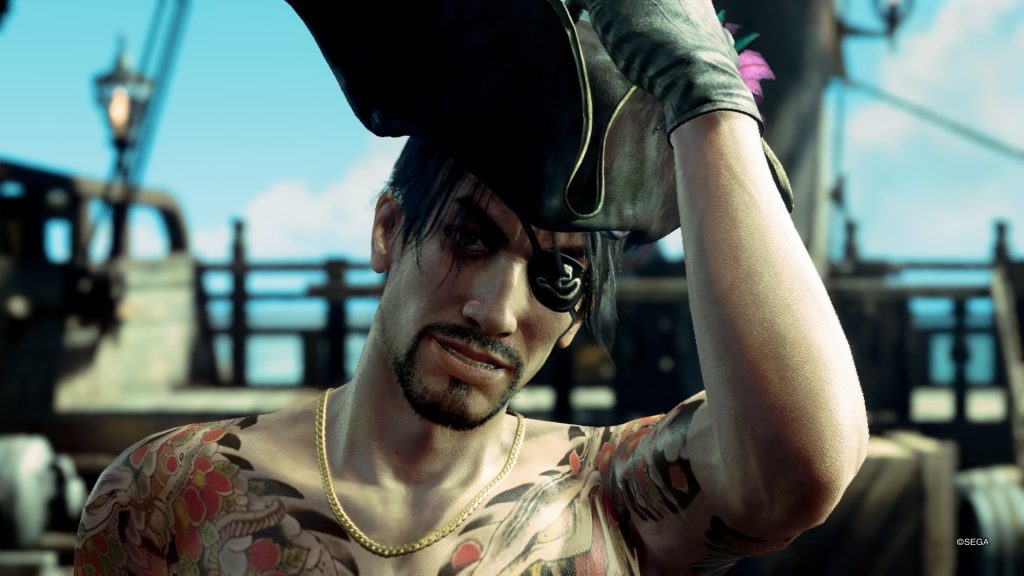
Graphically, the game is as good as recent releases from Ryu Ga Gotoku. The characters look like they could be real, and the experience on the sea feels like you could sink into the sailing when in Deck view. Combat is every bit as crazy as ever as well, not just on the Sea but on the ground with Majima. While his combat style is drastically different from Kiryu, this is reflected in a lot of the animations and how he carries himself. I do find an error with the Swashbuckler style Locomotion, however, as I feel Majima would be more a Greek style Kratos when armed with duel cutlasses rather than the attitude he emits.
CONCLUSION
To conclude, the game is every bit the Yakuza/ Like A Dragon we have come to love over the years and playing as Majima for the first time since Kiwami 2 (or 0) is a pretty unique feeling. Where long-time protagonist Kiryu Kazama is a Strong, almost overwhelming character in how he is designed and animated, Majima has this crazy punch-first-talk-later attitude. This all changes in Pirate Yakuza, who is without his memory and only remembering fragments until storylines progress, which means this crazy battle-obsessive character who has been built up over 20 years is more like he’s in his infancy, only tapping into this side of him when his battle instincts trigger.

Overall I enjoyed the Naval sequences more than playing on foot, probably because it is so drastically different from the typical experience you get from the franchise, where when developers change core mechanics from game to game it can feel overwhelming to learn/ relearn or even adapt to the differences Ryu Ga Gotoku seem to make it an art form where they nail the changes perfectly so that switching title just feels natural and just like a DLC. This is an incredibly important thing for both Gamers and Developers. If the developer overcomplicates the system, the gamer can’t just pick up the title and flow through it fluidly. Likewise, if the change is too drastic, gamers can have a challenge adapting, looking at Yakuza 6: The Song Of Life to Yakuza: Like A Dragon. Going from the typical beat’em up to a Real-time battle approach made the change such a drastic change that it’s hard to believe it is a continuation. Like A Dragon: Infinite Wealth to Like A Dragon: Pirate Yakuza in Hawaii is another really steep change, making the gamer adapt to different combat methods and even core navigation methods. With all that being said, thanks to the scooters in Hawaii from Infinite Wealth and coming off the battle system the other way, this is easy to adapt to.
The only problem that I have with the game is that I played it in English with the English Dubbing, once again (think that I would learn after Like A Dragon, The Man Who Erased His Name, and Infinite Wealth wouldn’t you?), after playing the franchise through from the start with Japanese audio the English ones don’t sound right and even though Majima doesn’t sound all that bad in comparison to the way he acts the Dubbing outside of Japanese is one barrier which I can’t seem to overcome.
Looking for more reviews to read? Be sure to visit this page and discover a wide range of informative and insightful reviews. Don’t miss out on the opportunity to gain valuable insights and make informed decisions.

